





ESPAÑOL   |   ENGLISH

Credit Basics

Save $756 With One Phone Call

By Dayana Yochim

Sure, the kids are still beaming about their Xbox and extreme fuzzy toys. But your credit card company is positively giddy -- your lender knows that he'll still be reaping the rewards of your spending bender long after Tickle Me Elmo has been tossed aside.

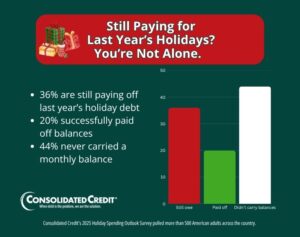
In fact, a recent Consolidated Credit Counseling Services survey found that 46% of consumers are still paying off their holiday damage from -- get this -- 2005.

The damage may already be done, but you can mitigate the lingering effects by (1) reducing the swelling interest rates you're charged on your balances and (2) devoting every extra dollar to undoing your holiday-induced retail wrongs. There's no time to waste. Your mantra until you pay it off: Debt-free, ASAP. (Repeat with fist-pumping whenever the mood strikes.)

Interest rate attack plan


If you are a good customer -- meaning you haven't had any late payments or other blunders in the past nine to 12 months -- then you, my friend, may have some leverage with your lender.

Don't be shy: Call customer service and ask for a lower interest rate, particularly if yours is higher than 14%. Seriously, ask. Lenders are very willing to talk turkey if that means keeping a customer from moving a balance over to a competitor's card.

Exactly how much are those few uncomfortable moments worth to your bottom line? If you devote $100 a month to pay off a $1,000 credit card balance at 18% interest, and put no additional charges on the card, it'll cost you $92 in interest over the course of roughly one year. Cut that interest rate to 6%, and you'll fork over just $28 during the same period.

On a $3,000 balance, the interest rate fallout is even more pronounced. The cardholder whose balances are subject to a 6% interest rate will pay $259 in interest (while paying off the entire balance) versus the spender who is stuck with an 18% APR and forced to pay $1,015 -- a $756 difference -- for the privilege of borrowing. (Plug in your own numbers on our online calculators to see how much moolah you can reclaim with your phone request.)

More than half the people who call their credit card customer service departments are successful in reducing their annual interest rates by an average of one-third.

If your debt can be paid off in a matter of months, even better -- that means you can settle for a short-term rate reduction. You want to shoot for something in the 6% to 11% range. But don't be discouraged if you don't get it, because you have another trick up your sleeve...

Debt transfer two-step


If your balances will take a while longer to exorcise, there are a lot of offers out there for 0% to 5% balance-transfer deals. (Check out indexcreditcards.com for current balance-transfer offers.) Moving your balance from your current card to a new lower-rate one is as easy as mailing a balance-transfer check with your statement.

Sounds easy, right? It is. But it's not simple. There are a lot of "gotchas" in the balance-transfer process, including fees, transfer limits, and other zingers (read more here) that can turn a great deal into an awful one with just one misstep.

Mostly, though, you want to make sure you don't inadvertently sabotage that great balance-transfer deal. That means (lecture alert!):

  • Put no new charges on the card. Those charges -- usually subject to a higher interest rate -- will be the last ones your payments will touch.
  • Pay all bills on time. Lenders regularly check your credit report.
  • Tattoo the deal end date onto your forehead.
  • Give the bank no reason whatsoever to change the terms of your contract.

I also caution against opening new lines of credit if you plan to get a loan (car, mortgage, refinance) in the next six months or so. Opening new lines of credit can raise red flags on your credit report.

Follow these rules of debt management, and you won't be stuck still paying for Holiday '06 a decade from now.

Here's $686 more...


For more advice on curing that holiday hangover (and our picks for the best no-annual-fee credit cards for balance transfers), check out the latest issue of our Motley Fool Green Light newsletter free for 30 days. Also in the January issue: A month-by-month calendar of money must-dos; advice on rolling over that old 401(k); three investments that may help you profit from the current political climate, and easy ways to automate those New Year's financial resolutions. All told, the advice in the January issue is worth $686.

Dayana Yochim's holiday overindulgences thankfully have been paid in full. She spends every waking hour scouring the consumer finance world looking for money-saving shortcuts and spotting "gotchas"for the Motley Fool Green Light service.