




ESPAÑOL   |   ENGLISH

Holidays

Tend to overspend? Guard your budget during holidays

By Cristina Rodriguez
and Gannett News Service

November 27, 2004


With about four times as much to spend as she allotted herself last year, Annette Williams of Bossier City was taking it easy on Friday while her son and nephews ran around Pierre Bossier Mall, picking out gifts for themselves.

Williams has about $400 to spend for everyone, also including her mother, two brothers, her godson and friends.

"I'm buying a lot of knickknacks from the dollar store, just something to say I'm thinking about them, nothing really expensive," she said.

And though it might be hard to stay in the budget, Williams said, she was already practicing willpower against the sales before dawn on Friday.

"I stayed in line one hour to get a bike, but I didn't get one because you had to assemble it," she said.

About a third of American consumers start shopping for the holidays this month. And many consumers are expected to stretch their wallets a little further this year, spending more on gifts for family, friends and others. But financial planners advise consumers to take a close look at their finances before they begin racking up gift purchases.

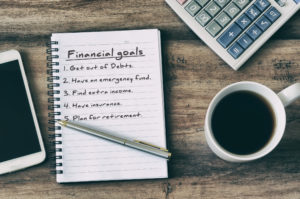
But many consumers' financial goals tend to fall by the wayside when it comes to the holidays.

Before shopping, consumers should create a budget and calculate how much they can afford to spend on gifts, experts said. The budget should be detailed and include spending limits on specific items such as gifts for individual people, decorations, party clothes and food.

Ideally, consumers should plan ahead and set aside holiday gift money during the year based on how much they spent the year before. And it would help to have a dollar amount in mind before walking into a store.

According to America's Research Group, a consumer behavior research firm in Charleston, S.C., 38 percent of consumers usually spend more than they planned during the holidays. One reason is that they wait till the last minute to shop for gifts.

"Starting to shop early gives you a lot more time to find better bargains and be a better shopper overall," said Jim Tehan, a spokesman for Myvesta.org, a Rockville, Md.-based company that offers financial-planning services.

Consumers will spend an average of $702 on the holidays this year, up 4.5 percent from last year and the highest since 2001, according to a survey released last month by the National Retail Federation.

Total holiday spending this year is estimated to reach $220 billion.

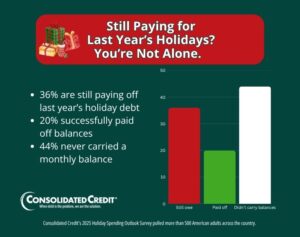
Many consumers will pay for their gifts using credit cards, but financial planners recommend using cash -- particularly if consumers already are in debt. Between 60 percent and 65 percent of consumers have an existing balance on their credit card, according to Consolidated Credit Counseling Services Inc. in Fort Lauderdale, Fla.

In 2003, consumers had an average of $2,294 in credit card debt spread out on two cards, according to Myvesta.org. Consumers who can't afford the minimum payment on a credit card, who are using a cash advance from another card to pay the minimum, or who are postponing basic needs such as a doctor's appointment because they're tight on cash, should think twice before buying gifts, let alone using a credit card, said Howard S. Dvorkin, founder of Consolidated Credit Counseling Services.

"Try not to use your credit card if you don't have to," said Kimberlee Orth, senior financial adviser at American Express Financial Advisors in Wilmington, Del.