




Holidays
Strategies for a Less Stressful, Less Expensive Holiday Season During the Credit Crunch
![]()
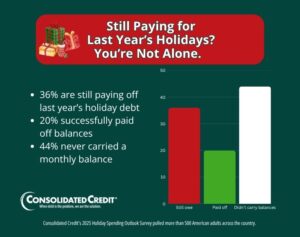
FORT LAUDERDALE, Fla., Dec. 4 /PRNewswire/ -- Americans spend on average more than $900 on holiday purchases, leaving a pile of debt that remains long after the tinsel is packed away.
This year despite tighter economic controls, consumers are planning to spend almost as much as they did last year. Fifty-seven percent of respondents to Consolidated Credit's annual holiday survey say they plan to spend only slightly less money than last year.
"Many factors contribute to overspending during the holidays. Lacking a clear picture of income and expenses leads consumers to overspending. Some people think that if they spend a lot for gifts, the recipients will appreciate it more," said Howard Dvorkin, founder of Consolidated Credit Counseling Services, Inc. and author of Credit Hell: How to Dig Out of Debt (Wiley April 2005).
"Consumers who start their holiday shopping without a strategy usually end up adding to their debt load," Dvorkin continued. Holiday overspending doesn't only cause bad surprises in January when the bills come; the stress of dealing with those bills often can lead to depression and anxiety.
Whether a person needs to budget his way out of a $500 or $50,000 debt, there are ways to do it. Dvorkin suggests these guidelines:
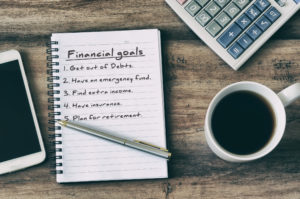
- Put away all credit cards. Pay with cash or checks until your balances are paid. - Determine the total amount you owe. - Determine which creditor needs to be paid first. Eliminate credit cards with the highest interest rate first. - Investigate transferring your balances to a card with a lower interest rate. Be aware of the time limitations associated with promotional cards offering an "introductory" low interest rate. - Reduce your spending. Set a realistic budget. You may have to tighten your belt and say no to some of those extras for a brief time period. - Set goals. Once you've achieved them, reward yourself. Dvorkin's symptoms that someone needs: - Not being able to make more than the minimum payment due. - Using credit for items like food and gas. - Making credit card payments by taking cash advances from other cards. - If an emergency arises it could put you under. - Never seeing an improvement in your finances year after year.