




ESPAÑOL   |   ENGLISH

Budget Basics

You can put your finances on a diet

By Dave Burge
Thursday, January 30, 2006 

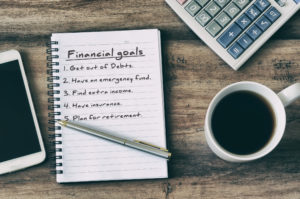
If you want to achieve your financial goals, you probably need to create a monthly budget to guide your spending decisions, experts say.

Whether you're saving for retirement or your children's college education or just want to get out of debt, creating a budget is a crucial first step.

"Not knowing where your money is going is a huge obstacle in achieving financial independence," said Greg McBride, a senior financial analyst with Bankrate.com. "The first step toward saving is to set some limits on your spending."

Seventy-four percent of U.S.consumers plan to create a budget in 2006, according to a recent study conducted by the research company Elliott Benson in Sacramento . Westsider Nuria Homedes created a budget when she moved to El Paso seven years ago, and she still tries to adhere to it.

"I'm not a big consumer," she said. "That gives me more to save. More than budgeting, it's not using money on superficial things or on things you don't really need."

If you decide to create a budget, stick with it, Homedes said.  "Make sure you don't go over your budget and, if you do, make sure you have a good reason, like your appliances have broken," she said.  A budget can help you maximize your dollars and can help you find waste or fat that can be trimmed, experts say.

You can then use any extra money you come up with to save for the future or to pay off credit-card debt, experts say. "Think of all the demands on each of your paychecks," McBride said. "There are bills that have to be paid, you have to manage your debts, hopefully pad your savings a bit and still save for retirement."  "A budget can help you accomplish all of that," McBride said.

Howard Dvorkin, founder of Consolidated Credit Counseling Services Inc., says most people waste from 10 to 20 percent of their money.  "And you can cut out that 10 to 20 percent of waste without really impacting their lifestyles," Dvorkin added.

Some tips on how to get started and make a budget work for you:

- Start by downloading a pre-printed budget guide. Budget checklists or guides are available free at many Web sites, including www.bankrate.com, www.valueyourmoney.org and www.consolidatedcredit.org.

These tools can guide you along the way and help you remember the little things that you spend money on, experts say.

- Next, track all your expenses for at least a month.  "You'll be surprised at where your money is going," El Paso certified public accountant Robert Diaz said. "Use that as a starting point on where to cut back."  Tracking your expenses is a crucial first step and can serve as the "framework" for your budget, experts say.

- Make sure you factor into your budget periodic expenses that can arise during the course of the year and trip you up, said Maureen Hankins, director of the El Paso YWCA's Consumer Credit Counseling Service.

When you do your budget, don't look at just monthly expenses, such as your rent or mortgage, utility bills and credit-card bills. Also take a look at things such as insurance premiums that you pay once every four to six months, Hankins said. Make sure you plan ahead for tax time, too, she said. Failure to plan ahead for periodic expenses, like car-repair bills and Christmas gifts, can mess up even the best budget, said Steven B. Smith, president and chief executive officer of In2M Corp., a Utah-based financial software and services company that developed the Mvelopes Personal online budgeting system.  Most people spend money based on the balance that's left in their checkbook or bank account and don't use a "proactively defined spending plan," Smith said.

- To help deal with unexpected expenses, work toward creating an emergency fund equal to three to six months' worth of expenses. "What's really important is the only way to get out of debt or to avoid getting into credit trouble is to put some money into savings," Hankins said. If you don't have savings in reserve, you end up "pulling out that credit card" to cover emergency expenses, Smith said.

- Be realistic and reasonable with your budget. Don't create goals you can't possibly meet.  If you don't set realistic goals, "you'll never hit the number and you'll be discouraged and quit," Dvorkin said. "It's like going on a diet. You can't lose 50 pounds in three weeks. It's the same thing, but it's a financial diet."

- Take a close look at your spending habits and prioritize your spending into "wants, needs and luxuries," El Paso CPA Diaz said.  Dvorkin suggests that you take a look at every "expense category" you have.  "Do you need 300 channels on your cable-TV service or can you live with basic cable?" Dvorkin asked.

- Budgeting is an ongoing process. Don't make a budget and then forget about it. Take a look at how you did each month, ask yourself questions to find out why you succeeded or failed, and modify your plan as needed.