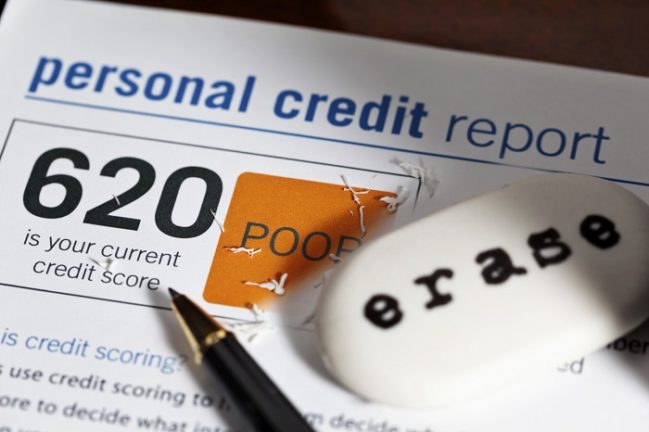
Teach yourself how credit really works – and how to make it work for you.
If you’re building credit from scratch, you likely fall into one of two categories:
immigrants who haven’t experienced the US credit system
young adults who are just starting their own financial lives
American credit rating systems can seem daunting at first. There are so many factors that go into credit reports and credit scores. How is it possible to understand it all enough to start building credit, much less good credit?
Luckily, it’s not as overwhelming as it seems. Once you understand the basics of how credit works, you can learn how to build credit with the method that works best for you.
If you still have questions after reading this, reach out to one of our experts so we can clarify your credit situation!
To put it simply, credit is an agreement between a lender and a buyer. The buyer is able to purchase things now and pay the lender back later. Usually, the buyer has to pay interest at the agreed-upon interest rate. Financial institutions judge your creditworthiness by looking at your credit reports from the three credit bureaus: Equifax, TransUnion, and Experian. These reports help creditors and lenders decide whether to extend a line of credit to you.
Types of credit
Credit cards aren’t the only type of credit out there. Much more than that shows up on your credit report.
Revolving credit: Most credit card accounts are a type of revolving credit. Revolving credit has a specific limit and requires minimum monthly payments. Any balance carried over on these accounts is usually charged interest.
Installment credit: When people think of installment credit, they usually think of loans. Using installment credit means signing an agreement to pay back a specific amount by a specific time. This usually involves interest.
As soon as you start to use credit, you will start to build credit history in the form of a credit report.
What’s on your credit report?
Your credit report influences many of life’s biggest purchases. Future lenders and creditors check your report for creditworthiness. If your report and/or your score is poor, you risk not being able to get the credit card or loan you need.
Your credit score is a numeric value that lenders use to assist in assessing your creditworthiness. Building credit means taking every aspect of your score into consideration. To positively impact your credit as a whole, analyze which of these aspects needs the most attention in your situation.
Credit history – 35% – Have you been making payments on time? Your payment history for your credit accounts is the most important aspect of your credit score.
Credit utilization – 30% – How much of your credit limit are you using? If you’re using over 30%, that actually negatively impacts your score.
Credit age – 15% – How long have you had a credit file? The longer you’ve been building credit, the better it is for your score.
Types of credit – 10% – Do you have different types of accounts on your credit file? Varying types of credit (credit cards, mortgages, auto loans, etc.) boost your score.
Credit inquiries – 10% – Have you recently applied for lines of credit? New applications or too many inquiries on your credit can have a negative impact.
Learn more about achieving good credit in the video below:
Featured Video
The Game of Good Credit
Achieving and maintaining a high credit score is a constant game of strategy. This video will show you exactly how to win and get the good credit you want…Watch Video >>
Come on down! You’re the next contestant on the Game of Good Credit!
Achieving good credit is a game of strategy. You have to play tactically if you want to win.
Let’s begin with the basic gameplay of how to go from the starting point to winning the game of good credit so you can maximize your credit score. The overall goal in the game is to move forward from the starting point, taking the right steps to reach your credit goal.
Each step you take can have a positive, negative or neutral effect. You want to make smart moves that boost your score, while avoiding traps that set you back. Positive actions like making payments on time and keeping your credit utilization low help move you forward. And doing things like paying off a credit card in full can give you a big jump up the board. But actions like paying late or allowing an account to go into collections can set you back and put you farther away from your credit score goal.
As you play the Game of Good Credit, keep in mind that even if you have to make a really bad move it doesn’t mean you’ll have bad credit forever. You may just have to start again to begin moving forward toward the score you want. Most negative actions set you back for 7 years. Although some things like Chapter 7 bankruptcy can set you back longer. But if you have a setback, you can start to move forward immediately!
The BEST move you can make is to pay your bills on time – this is the biggest factor in calculating your score. Each time you pay a credit card or loan on time it’s a positive action that lets you move forward. If you’ve had setbacks, start making payments on time to move forward again. But keep in mind that the amount of credit you use affects how quickly you can move up the board.
Credit utilization is the second biggest factor in calculating credit scores – that’s the amount of debt you have relative to your total available credit. The less debt you have, the faster you can advance towards better credit. So by keeping your debt low and making payments on time you can forward to get closer to your credit goal.
Length of credit history is the third biggest factor in your score – creditors believe people who have been playing the game longer are better at it. So don’t close your oldest accounts or let creditors close them due to inactivity, because this can actually set you back. Keep accounts in good standing and you’ll get an extra boost on your way to a winning credit score.
The number of times you apply for new credit within a six month period is a factor in your credit score. If you try to take too many new credit moves at once, you can actually get set back. Only draw a new loan or credit card when you really need it, and don’t apply for credit cards in quick succession. That way getting new credit will be a neutral action that doesn’t set you back.
The type of credit and number of accounts you have also has an impact on your ability to win the game. If you pick up a diverse variety of debts along the way like a mortgage and other loans along with a credit card or two, you’ll have an easier time reaching your goal.
We have a few tips that can help put the big win within reach. Be aware that you can be penalized paying late as well as for moves that you didn’t actually take. This happens when negative items appear in your credit report by mistake – the credit bureaus think you made a bad move when you really didn’t. If this occurs, you have the right to dispute the item to have it removed. If you’re successful with a dispute, you’ll move up the board.
Additionally, players often think asking for help will set them back from reaching a winning credit score. But using services like credit counseling if you’re having trouble can actually help you move forward faster instead of setting you back. Completing a debt management program helps you eliminate credit card debt and may aid in helping you build a positive payment history. It can also help you avoid major setbacks on the board like debt settlement and bankruptcy. So you can get the help you need and still reach your ultimate credit goal, allowing you to win at the game of good credit to improve your financial standing overall.
Make the move to Consolidated Credit and let us help you develop a winning strategy to help you eliminate debt so you can achieve your credit goals.
Things you do that affect your credit
More things affect your credit than you think. Keep an eye on your financial habits – they could be doing silent damage.
Spending
Do you use credit for most of your purchases? This has an important effect on your credit because it affects your credit utilization and your payment history.
Inquiries
Applying for loans or credit cards means adding inquiries to your credit report. Too many inquiries into your credit within a six-month period looks bad to future creditors. It can make it seem like you are taking on too much new credit at once.
Taking loans/Financing
Personal loans, auto loans, mortgages, etc. all end up on your credit report. As long as you make payments on time, this can be good because it adds variety to the type of credit accounts you have. However, if you fall behind, these accounts will hurt you.
Failing to check your credit report
Some consumers avoid checking their credit reports either because they don’t know how or they’re afraid it will be bad news. Checking your credit report, and even your own credit score, will not hurt your credit.
Booklet
Make the Most of Your Credit Score
Credit
Having a good credit score is essential. It makes it easy to get approved for new credit and allows you to borrow money with the best rates and terms. This guide will teach you how credit scores are calculated, what counts as a good score, and what you can do to ensure you maintain the highest score possible.
Building credit takes time. There’s nothing that you can do that will take you from no credit score to excellent credit overnight. You simply need to add new credit gradually and always make sure you can make your payments on time every month.
With this method, you should be able to start building your way to a good credit score within about six months to a year. Still, there are other ways to build your credit besides giving it time and making your payments. Here are a few ways to start creating the credit of your dreams:
Report your rent and other data
Do you pay your rent on time? You can ask your landlord to report this to the credit bureaus. On-time payments are good for your credit but are often left unreported.
You can also report other positive financial data, such as utility bill payments. Experian Boost is a free service that allows you to easily boost your credit by connecting payment histories from other accounts.
Become an authorized user
Being an authorized user on on someone else’s credit card account can also be good for your credit. Most (but not all) credit card companies will report credit history for an authorized user to the credit bureaus. If you have a family member that’s willing to add you as an authorized user, make sure to check with the credit card company first to make sure they will report the history on for you to the credit bureaus. If so, you can become an authorized user and build credit that way.
Use a co-signer
Some banks and credit unions allow someone with better credit to sign on a loan with you. This means that if you can’t pay, they are responsible for the loan payment. Always make sure you can afford to pay back a loan before you ask someone to cosign. You don’t want to ruin someone else’s credit while trying to build your own!
Get a credit builder loan or secured loan
A credit builder loan is specifically designed to help you raise your credit. When you take out the loan, the bank puts it into a Certificate of Deposit (CD) that they control. A CD is a savings tool that earns interest for you over time, so you build savings while you build credit. You then make your monthly payments like any other loan.
Try a secured credit card
A secured credit card means paying a deposit before you charge. The amount of your deposit turns into your credit limit on the card. Secured credit cards don’t require good credit to qualify. They’re usually the easiest cards to get if you have no credit.
Credit-Building Tricks to Avoid
Some common credit-building tactics aren’t for everyone. Here are a couple you may want to avoid:
Requesting an increased limit for your current credit card
A higher credit limit will lower your credit utilization ratio in your favor. This is true as long as you continue spending at the same level as before, but it can be difficult to resist the temptation. Don’t do this unless you are certain you won’t spend more.
Getting a rewards credit card
Signing up for a rewards card may seem like a great way to get some kickback from your purchases. However, many people overspend in an effort to rack up points, especially for signup bonuses that require you to spend a certain amount within a set time after you open the account.
When you have no credit card
If you don’t have or want a credit card, there are still ways to build a good credit history and raise your credit score. Here are a few ways to start:
Student loans
Making on-time payments on student loans helps your credit with or without a credit card. If you have student loans, make it a priority to make your payments every month. Credit scores are not a factor to qualify for federal student loans and even some private loans. That means you can use student loans to build credit.
Auto loans
Auto loans are another way you can boost your credit. When you finance the purchase of your car, you agree to pay back your auto lender in monthly installments. Since the car you purchase is used to secure the loan, it’s often easier to qualify.
Mortgage loans
It may be difficult to get a mortgage without a credit history. However, if you already established credit and/or have a mortgage, making on-time mortgage loan payments will help build your credit. A mortgage is one of the best debts you can have according to creditors, so it looks good to have a mortgage with good credit history on your credit report.
Nonprofit lending circles
Nonprofit lending circles are a new take on a very old concept. It started with friends and family members creating their version of a loan shared among multiple people. Now, they involve groups of people lending money to each other with very little or no interest. When they’re organized correctly, these can help you build credit.
Using Credit Responsibly
Being responsible with credit is essential for every consumer. Most of this advice boils down to one simple idea: don’t treat credit like credit. Treat it like money.
It sounds easy, but many people have trouble seeing their loans and credit cards like real money with real consequences. Since they can pay it back later, it doesn’t feel as urgent.
If you have trouble using credit responsibly, use these guidelines to help keep you on the right path:
1. Don’t spend more than you can reasonably pay back.
Whether it’s a credit card or a personal loan, credit is not free money. Find other ways to make big purchases if you know you won’t be able to pay. Additionally, try not to carry a balance on your credit cards. The more you can pay off every month, the less likely you are to go into debt. If you can’t pay off the whole balance, at least make sure to always pay the minimum so you don’t have a missed payment on your record.
2. Know if you’re in too much debt.
It’s important to know when you’re in too deep. Keep track of all your debt and understand the signs of carrying too much.