




Holidays
Nurse Wins Battle With Debt
Tuesday, January 06, 2004
Ron DeKett
The Fort Pierce Tribune
"I was actually thinking about bankruptcy court," said Wheeler, 40, a nurse manager in the pulmonary medicine unit at Greenville Hospital System. "One day I just laid my head down and cried."
After crying and soul searching she picked herself up, dusted herself off and decided to quit needless spending on herself and others.
"Cold turkey," she said.
It has taken nine years but she has changed her attitude about money and her relationships with others, both financial and otherwise. And she has written a short self-help book, "Finding Financial Peace/Getting Control of Your Finances and Your Life," which she intends to serve as a beacon of hope to others burdened by debt.
Wheeler's tale of financial fiasco is not uncommon, particular following the Christmas shopping season when credit card bills are coming due after often excessive spending, debt management specialists said.
"Americans will have racked up slightly more than $115 billion in retail spending on their credit and debit cards as the holiday shopping season comes to a close this week," said April Lewis, spokeswoman for Consolidated Credit Counseling Services Inc. in Fort Lauderdale, Fla. "For the first five weeks of the current shopping season, consumers charged $69.6 billion to major credit cards and $20.1 billion to signature debit cards."
These figures do not include credit card or debit card purchases for travel or groceries.
Overall, holiday retail spending on payment cards is running about 7 percent above last year, she said. According to firms tracking retail sales, overall holiday sales were running about 4 to 5 percent above 2002 levels, she said.
On a smaller scale, these figures mean the average household owes nearly $9,000 in credit card debt, she said.
Wheeler estimates she was $32,000 in debt.
She attributes her debt to a number of factors, including a financially draining relationship which has since ended, the compulsion to help others financially, and overconfidence in her ability to pay her bills based on her salary.
"I was proud that I was financially independent, so proud. I wanted to impress, to let people know that 'yes I've made it,'" she said. "It was like I was buying love."
She finally hit bottom before she was able to begin to understand what had happened.
"I was able to step back, make a plan and pull myself out of debt," she said. "I now look at people differently concerning money questions".
"At first I was angry at the other people for taking advantage because I would never do that to somebody. And then I said: 'Well you know I gave them control. I made the choices. I'm the one who signed my name. There was no gun to my head.' So I was angry at myself for being such an idiot. But then you grow and you learn."
The path to living a debt-free life can be difficult, but the payoff in the end is worth the effort, she said.
"You've got to start liking yourself and you've got to start taking control of your own life," she said. "I've had to learn that the hard way. But I'll tell you that once you get started and you go on and pick up other things, your life is so much more enjoyable."
Her 24-page book costs $8 and is available through online bookstore Web sites, such as amazon.com, barnesandnoble.com and www.dorrancepublishing.com.
Debt management tips
Warning signs
* Your credit cards are maxed out and you are sending in only the minimum payment.
Failing to settle your bill in full can lead to huge finance charges.
If you skip a payment you will be charged huge late fees.
* An increasing amount of income goes to paying your debts. Only 10-15 percent of take-home pay should be spent on credit debt.
* You're using one card to pay off another. Don't fool yourself into thinking you squaring away your debts. All you're doing is borrowing more money.
* You decide that your next trip to the doctor will have to wait.
If you're jeopardizing you health because of money, it's time to re-evaluate your credit situation.
* Bills are paid with money that was intended for other things.
* Money is borrowed or credit cards are being used to pay for items, which used to be bought with cash.
* Savings are used to pay current bills.
(Source: Consolidated Credit Counseling Services Inc.)
How to get out of debt
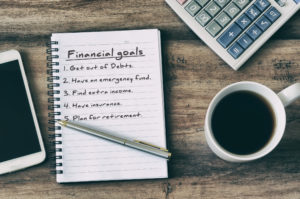
* Evaluate your priorities.
* Adopt the 24-hour cool-off rule. If you see an item you want to buy, wait for 24 hours. If after 24 hours you still have the same ardor for the item, evaluate with a cool head whether you need it and can afford it.
* Start to live on cash and stop incurring new credit card debt.
* Keep your checkbook balanced. When your monthly statement comes in, review it immediately.
* Choose a bill payer, either you or your spouse. This cuts down on confusion and mistakes.
* Set debt limits for birthday and Christmas gifts. Go in with someone else when buying an expensive gift.
* Track your spending and carefully prepare a budget including fixed and flexible expenses.
* Transfer high interest rate balances to one card with a low interest rate and stop using the card while paying at least each months incurred interest plus the minimum due.
* Before transferring to low-interest rate cards, double-check the fine print and expiration dates for the low rate.
* Cancel the high-interest rate account after transferring its balance.
* If you are unable to transfer all balances call a credit counselor for advice and options.
(Source: Consolidated Credit Counseling Services Inc.; Shannon Wheeler's "Finding Financial Peace.")
How to create a positive credit record
* Open a savings account and make regular deposits.
* Open and use a checking account. Always know your balance and avoid Not Sufficient Funds (NSF) checks.
* Obtain a limited-use credit card such as a department store card and use it responsibly. Make small purchases and pay the card off every month when the statement arrives.
* Always pay bills on time. Late payments or collection accounts will tarnish your credit record.
* Demonstrate stability. Stay at least two years at the same job; live at least two years at the same address.
* Do not apply for too many lines of credit at one time. Creditors view an excess of credit applications as a sign of potential risk. They may deny your request for credit due to the number of inquiries on your credit report.
* Close inactive or unneeded lines of credit. Creditors may view open lines of credit as debts, even if you have no balance owed on those accounts.
* Get a copy of your credit report from at least one credit reporting agency each year. Use the report to correct any errors, to take care of any forgotten debts or to close inactive lines of credit.
* Talk to your financial counselor if you are experiencing difficulty establishing or re-establishing credit.
(Source: Luthern Social Services Financial Counseling Service)
How to find a reputable debt counseling service
* If you're not disciplined enough to create a workable budget and stick to it, can't work out a repayment plan with your creditors, or can't keep track of mounting bills, the Federal Trade Commission recommends you consider contacting a credit counseling organization.
Many credit counseling organizations are nonprofit and work with you to solve your financial problems. But be aware that, just because an organization says it's nonprofit, there's no guarantee that its services are free, affordable or even legitimate. Some credit counseling organizations charge high fees, which may be hidden, or urge consumers to make voluntary contributions that can cause more debt.
Most credit counselors offer services through local offices, the Internet or on the telephone.
If possible, find an organization that offers in-person counseling. Many universities, military bases, credit unions, housing authorities, and branches of the U.S. Cooperative Extension Service operate nonprofit credit counseling programs.
Your financial institution, local consumer protection agency, and friends and family also may be good sources of information and referrals.
Reputable credit counseling organizations can advise you on managing your money and debts, help you develop a budget, and offer free educational materials and workshops.
Their counselors are certified and trained in the areas of consumer credit, money and debt management, and budgeting.
Counselors discuss your entire financial situation with you, and help you develop a personalized plan to solve your money problems.
An initial counseling session typically lasts an hour, with an offer of follow-up sessions.