




ESPAÑOL   |   ENGLISH

Budget Basics

Debt-Busting 101

Debt. That four-letter word is the monkey on the backs of many American consumers.

By Peralte C. Paul
Times-Union business writer
Sunday, May 14, 2000

Small bills first

"You basically have to learn to live within your means -- spending less than you earn and saving the difference," says Stephen Brobeck, executive director of the Consumer Federation of America in Washington, D.C. He suggests paying off all your unsecured debts as quickly as possible. Unsecured debts, such as credit cards or medical bills, are obligations that don't require the consumer to put up collateral, unlike a mortgage or car loan.

Brobeck's strategy is to list all unsecured debt and put the most amount of money each month toward the smallest bill. That way, you'll be paying off your smaller bills more quickly and can then concentrate on the bigger debts. But Brobeck and others say you should pay at least the monthly minimum on the other accounts.

Getting into a regular payment routine should serve as way to get into a habit of saving on a regular basis, he says. So if you've been paying $300 a month on one of your bills and you finally pay it off, keep paying $300 -- only this time, pay yourself by putting it in the bank. "Have interest compounding for you instead of against you," Brobeck says. "Positive incentives are just as important as the negative consequences."

For example, that same $300 socked away monthly in an account that earns 7 percent interest compounded can swell to nearly $1 million 40 years later. "You can derive satisfaction, building wealth," Brobeck says. Indeed, the United States lags behind other industrialized nations in savings, according to the American Bankers Association, with Americans saving about one penny of every dollar they earn, not including employee retirement plans.

Setting goals

Setting a goal and remaining faithful to it even after you've paid down some of your bills is sound strategy, says Lockhart of Consumer Credit Counseling Services'. Too often, consumers fall into a pattern of living from paycheck to paycheck, figuring if they can cover their day-to-day expenses, then that's OK. But Lockhart says that approach prevents them from building for the future.

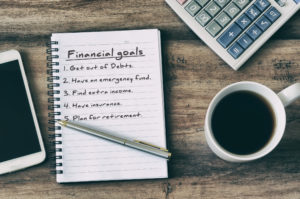
"You're living in the now you don't get beyond that window," she says. Goal-setting, whether it's to have a certain amount of money saved in a bank account for a rainy day fund or down payment on a house, is probably the most important thing a consumer can do, she and other experts say.


« 1   |  2