Identity Theft Resources
Learn how to prevent ID theft and handle it quickly if it happens to you.
Identity theft remains one of the most widespread and damaging crimes in the U.S. In 2024 alone, the federal government’s consumer complaint portal received more than 1.1 million identity-theft reports and related fraud complaints pushed the estimated losses nationwide above $12.7 billion.
More recent consumer survey data suggest that victims are more common than many realize. According to Debt.com’s 2025 identity-theft survey of 1,000 U.S. adults, 78% said they had been victimized at some point, a dramatic increase from 43% in the prior survey, reflecting a sharp rise in reported ID-theft experiences nationwide.
Because identity theft is pervasive and evolving – with growing threats from AI-enabled scams, fraud targeting children, and credit-score damage – it’s more important than ever to know how to protect yourself and recover quickly if you become a victim. This resource center helps you learn what ID theft looks like, how to guard your personal information, and what to do if your identity is stolen.
What the latest data shows
Debt.com’s 2025 survey revealed several troubling trends:
- A dramatic rise in victimization: 78% of respondents reported that they had experienced identity theft, up from 43% just a year earlier.
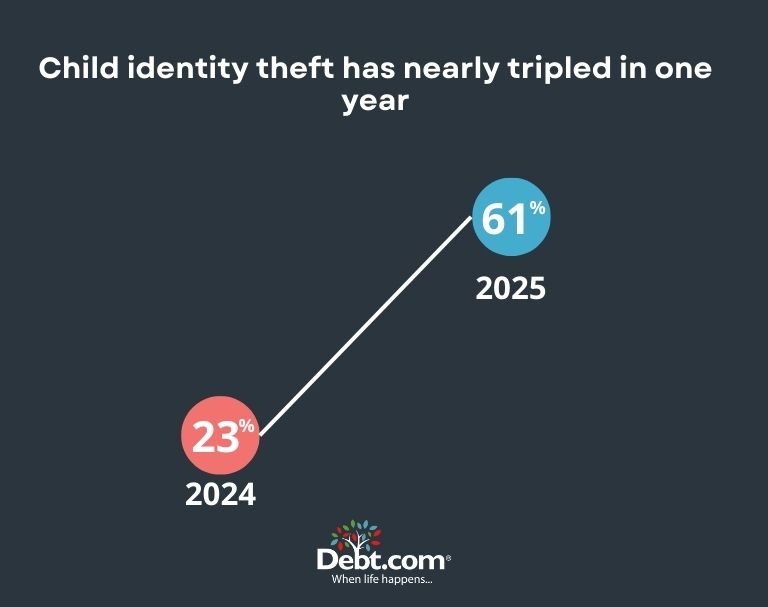
- Growing impact on families: 61% said a child or family member had their identity compromised, highlighting rising risk among youth, too.
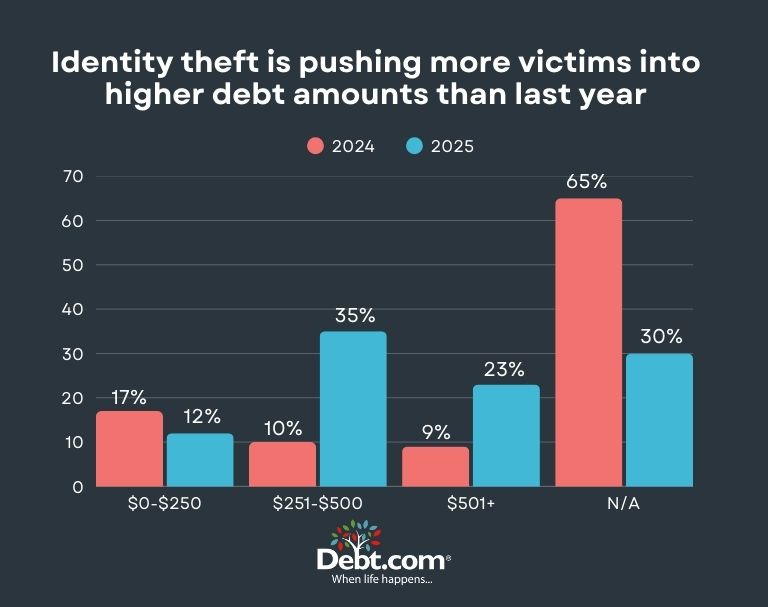
- Financial consequences are substantial: 57% of victims said ID theft forced them into debt, and many lost hundreds or thousands of dollars trying to reclaim their identity or correct their credit.
- Credit score damage is common: A significant portion of victims reported credit score drops, including 21–50 point drops and, in many cases, even larger declines.
- New scams are fueling the surge: Nearly 90% of surveyed adults predicted that AI-powered fraud will contribute to increased ID theft in the near future.
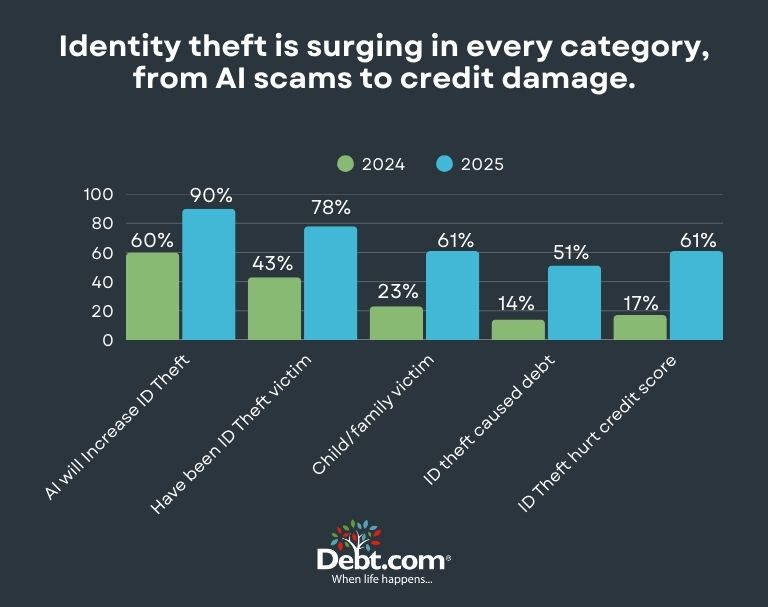
Taken together, these findings paint a clear picture: identity theft is not rare, and its effects can be long lasting emotionally, financially, and in terms of credit health.
Beyond individual survey data, national-level reports confirm the scale of the problem. The 2024 total loss to identity theft and fraud surpassed $12.7 billion, and reporting to federal authorities remains high, reflecting both traditional and emerging fraud tactics.
Because the threat continues to evolve – with deepfakes, generative-AI scams, and more common targeting of children – vigilance and updated protections are essential. Recent 2025 research from cybersecurity institutions warns that exposed personal data is more vulnerable than ever.
Why this matters and why now
Every year, identity theft evolves. Scammers adopt new methods from phishing and fake-call scams to AI-driven fraud, deepfakes, and dark-web data trafficking. The cost of being uninformed has never been higher.
With 2025 data showing that more than three out of four Americans report having been affected, and national losses exceeding billions of dollars, it’s clear that identity protection must be a priority for every household. The threat isn’t limited to credit cards: children, loan applications, employment fraud, tax filing scams, and other forms of exploitation are all part of the growing problem.
That makes this resource hub more important than ever. If you suspect you’ve been targeted – or simply want to strengthen your defenses – now is the time to act.
Next steps: protect yourself and stay informed
If you believe you’re a victim, contact the credit bureaus immediately, report the theft to the proper agencies (police, FTC, IRS, etc.), and consider using identity recovery services if available.
If you want help reviewing your particular situation, you can click “Ask a Question” and connect with a certified financial counselor for a confidential consultation.
Still have questions about how to prevent identity theft? Ask our certified financial coaches so you can prevent and address ID theft the right way.